
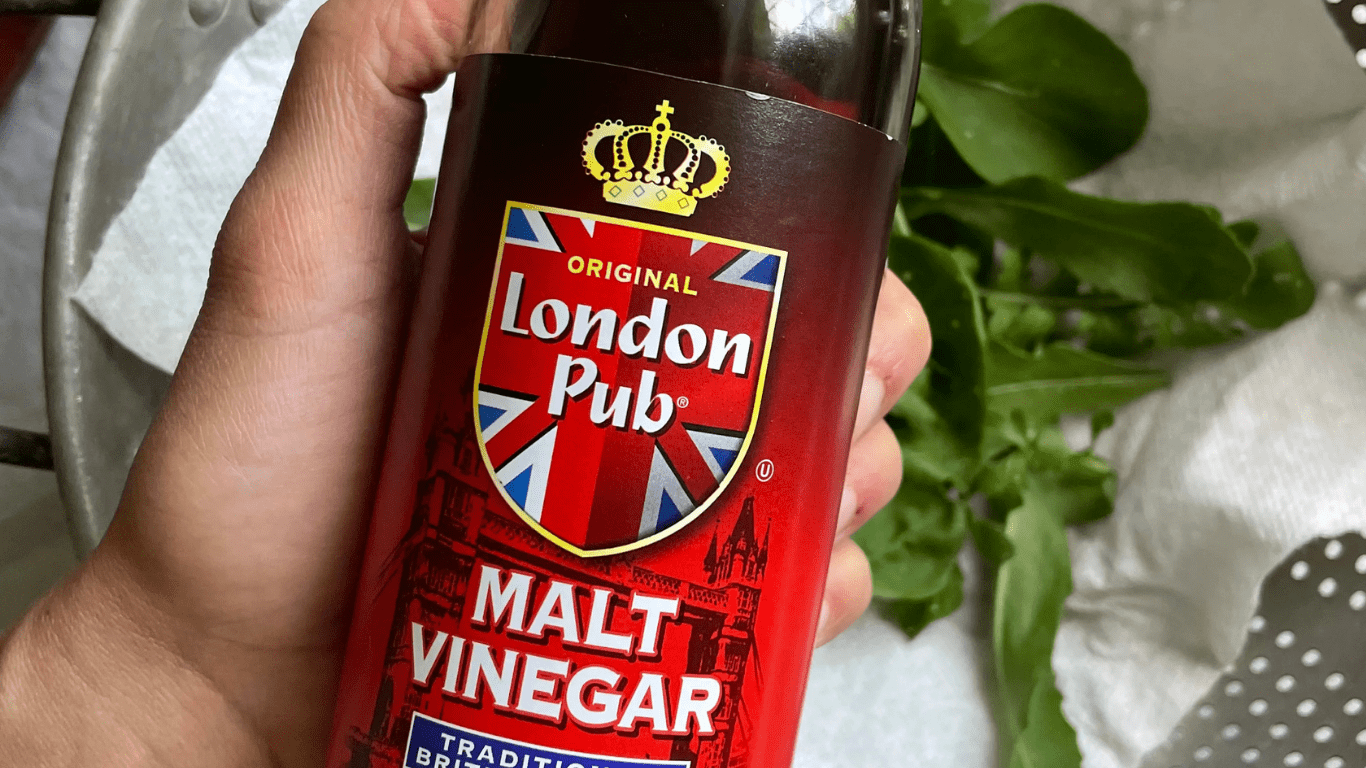
Is Malt Vinegar Gluten Free? 7 Ingredients That Trip Up Every New Celiac
If you’re just starting out, mastering these ingredients is part of the ’24-hour stabilization’ process. If you haven’t seen it yet, check out our 5 Steps to Take in the Next 24 Hours to get your bearings.
You’ve mastered the first rule of Celiac life: Look for the word “Wheat.” You’ve become a pro at scanning for bread, pasta, and crackers. But then you stand in the potato chip aisle, looking at a bag of Salt & Vinegar chips, and you see it: Malt Vinegar.
It doesn’t say “wheat.” It doesn’t have an allergen warning. So, is malt vinegar gluten free?
The short answer is: No.
The long answer explains exactly why Celiac disease is trickier than a simple wheat allergy. Many people feel shocked when they discover that “Gluten” is an umbrella term for proteins found in Wheat, Barley, and Rye. While the law requires companies to disclose wheat, it does not require them to call out Barley or Rye in the same way.
If you want to stop “accidental glutenings,” you must look past the wheat. Here are 7 sneaky ingredients you should leave on the shelf.
1. Malt Vinegar (The Sushi & Chip Trap)
Malt vinegar is made from barley. Because it is a fermented product and not a “grain,” it often hides in the ingredients list without a bold warning. You’ll find it in salad dressings, pickles, marinades, and almost every brand of Salt & Vinegar chips.
- The Safe Swap: Apple Cider Vinegar or Distilled White Vinegar.
2. Malt / Malt Extract / Malt Flavoring
If you see the word “Malt,” think Barley. This is the #1 reason Celiacs get sick from “corn” or “rice” cereals. Famous chocolate bars and crisped rice cereals use malt extract for coloring and sweetness. Even if the box says “Rice,” the malt makes it toxic for you.
3. Brewer’s Yeast
This is a byproduct of the beer-brewing process. Since traditional beer is made with barley, Brewer’s Yeast is almost always contaminated. It’s frequently used in savory snack seasonings, “umami” flavored crackers, and even some health supplements.
- Note: This is different from Baker’s Yeast (used for bread), which is generally safe.
4. Traditionally Brewed Soy Sauce
Most people assume soy sauce is just soy and salt. In reality, traditional soy sauce is brewed with a significant amount of wheat. It is one of the most common sources of cross-contamination in Asian cuisine.
- The Safe Swap: Tamari (look for the GF seal) or Coconut Aminos.
While swapping to Tamari is a great start, remember that shared pans in a kitchen can still cause issues. This is why a Total Kitchen Reset is so vital for long-term healing.
5. Smoke Flavoring / Natural Flavors
This is where it gets frustrating. “Natural flavors” is a catch-all term. Sometimes these flavors use barley malt as a carrier. If a product isn’t labeled “Gluten-Free” and contains “natural smoke flavoring,” there is a high risk that barley is involved in the process.
6. Modified Wheat Starch
This ingredient is controversial. While it is possible to process wheat starch to be gluten-free, it is only safe if the product is Certified Gluten-Free. If you see “Modified Wheat Starch” on a random box of cookies with no GF label, put it back. Your gut isn’t worth the risk.
7. Farina and Semolina
These sound like fancy Italian ingredients, but they are just different grinds of high-protein wheat. You’ll find these in hot cereals, “thickened” puddings, and premium pastas. If it’s not made from rice, corn, or lentils, Semolina is a red flag.
Stop the “Aisle Anxiety”
Standing in the grocery store for two hours reading every tiny word on the back of a box is exhausting. It turns a simple errand into a stressful chore. You shouldn’t need a chemistry degree just to buy a jar of pasta sauce.
Your Grocery Store Secret Weapon
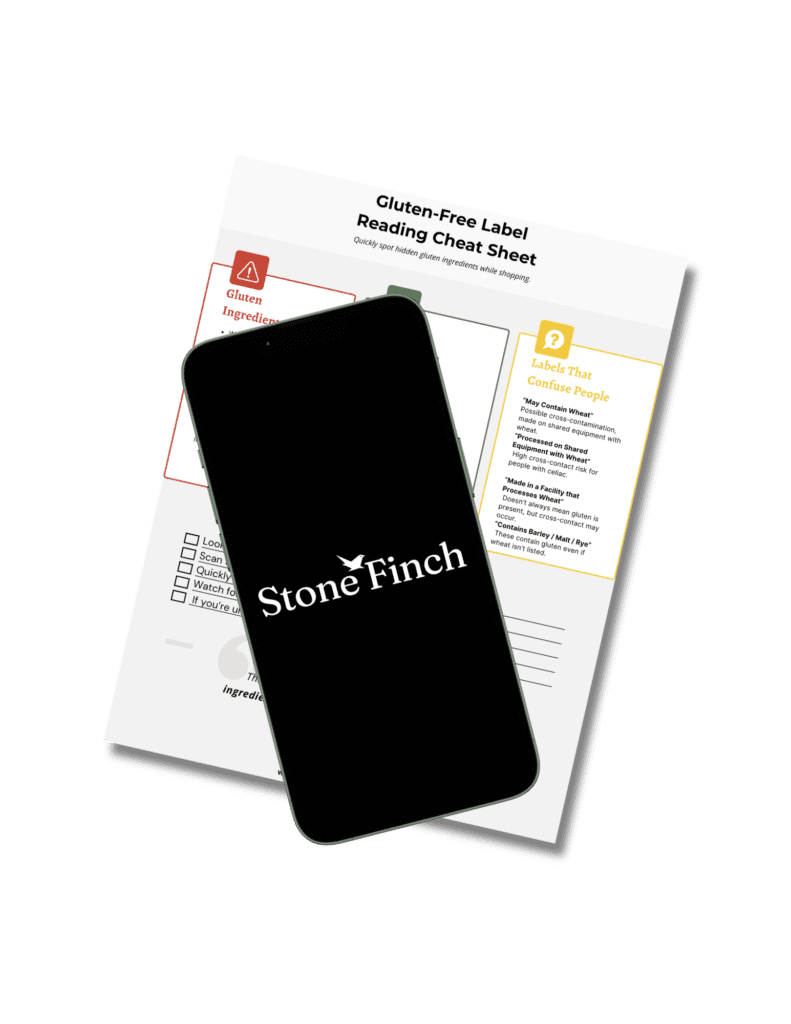
I’ve done the tedious work so you don’t have to. I’ve simplified all of these “hidden” grains and sneaky aliases into a one-page tool.
My $9 Gluten-Free Label Reading Cheat Sheet is designed to live on your phone or in your bag. It tells you exactly what to look for, which “shared facility” labels to trust, and which ingredients are an automatic “No.”
Stop the Aisle Anxiety. You shouldn’t need a chemistry degree just to buy a jar of pasta sauce.




Leave a Reply