
Just Diagnosed with Celiac? 5 Steps to Take in the Next 24 Hours
The phone call from the doctor’s office usually starts with a bit of relief—finally, an answer for why I’ve been feeling this way—followed immediately by a wave of pure panic.
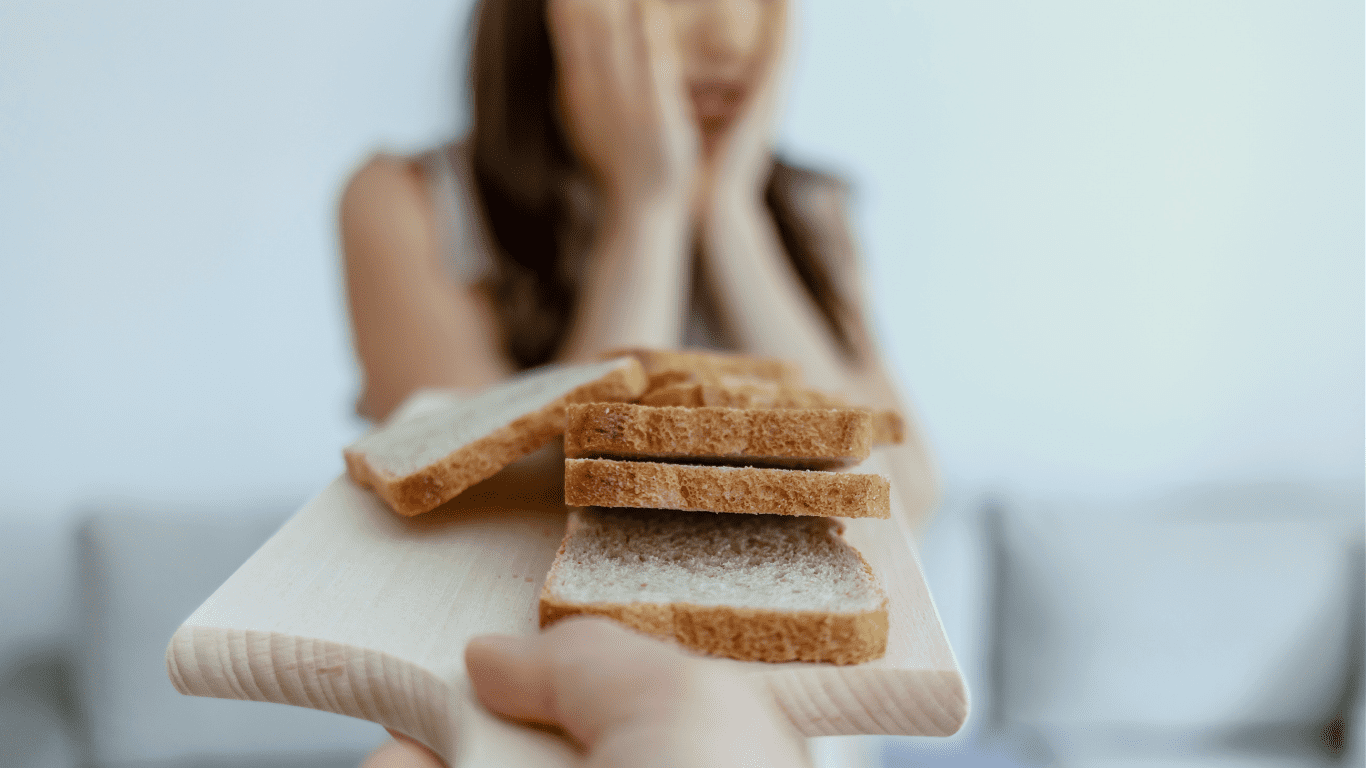
If you were just diagnosed with Celiac Disease, your brain is likely spiraling. You’re looking at your pantry like it’s a crime scene. You’re wondering if you’ll ever eat at a restaurant again, or if “real” bread is a thing of the past.
First: Take a deep breath. You aren’t going to starve, and you aren’t alone. But you do need a system. The biggest mistake newly diagnosed Celiacs make is trying to learn everything in one day and burning out by dinner time.
Here is exactly how to handle your first 24 hours without losing your mind.
1. Don’t Toss Your Entire Pantry: Start with Gluten Containment
When the diagnosis hits, the instinct is to grab a giant trash bag and throw away everything in the kitchen. Stop.
While you will eventually need to clear out the gluten, doing it while you’re emotional leads to “shopper’s remorse” and wasted money. For the first 24 hours, just focus on containment. Move the bread, crackers, and cereal to one specific shelf. Label it “Gluten” if you live with others.
Your goal today isn’t to have a perfect kitchen; it’s simply to make your next three meals safe. You don’t need to bleach the baseboards today—you just need to eat.
2. Eat Naturally Gluten-Free Whole Foods
Label reading is a skill that takes time to master (and it’s a skill we will teach you). But for today, the safest way to eat is to skip the labels entirely.
Focus on “Whole Foods”—items that are naturally gluten-free in their original state.
- Proteins: Plain chicken, beef, fish, and eggs.
- Carbs: Plain potatoes, white rice, and corn.
- Produce: All fresh fruits and vegetables.
- Fats: Butter, olive oil, and plain nuts.
If you stick to a “meat and three veg” style of eating for the first 24 hours, your risk of a mistake drops to near zero while your gut starts the healing process.
3. Spot the “Hidden Grains” Early
Even when you think you’ve found something safe, gluten likes to hide under aliases. While you’re scanning your fridge today, look out for these two sneaky culprits that trip up almost every beginner:
- Malt / Malt Extract: This is made from barley. You’ll find it in Rice Krispies, Lindt chocolates, and many “natural” milkshakes. It won’t always say “Wheat” on the label, but it is 100% gluten.
- Brewer’s Yeast: Frequently found in savory snacks and “umami” seasonings. If it doesn’t say “Gluten-Free,” and it has Brewer’s Yeast, put it back.
Want to be 100% sure? While Malt and Brewer’s Yeast are the big ones, there are several other sneaky ingredients that catch people off guard. Check out our guide on the 7 Ingredients That Trip Up Every New Celiac for a full list of what to avoid.
4. Avoid Cross-Contamination in Kitchen ‘Crumb Traps‘
Celiac disease is different from a wheat intolerance. For us, a single crumb—literally the size of a grain of salt—is enough to trigger an autoimmune response.
Before you make your first “safe” meal, identify the Crumb Traps:
- The Toaster: If a piece of wheat bread has ever been in that toaster, it is now a gluten-particle accelerator. Do not use it for your GF bread.
- Wooden Spoons: Wood is porous. If you’ve used that spoon to stir wheat pasta for five years, it has gluten trapped in the grain. Switch to metal or silicone today.
- The Colander: Those tiny holes are impossible to get 100% clean of wheat residue.
Identifying these traps is the first step. When you’re ready for a full deep-clean, follow our Total Kitchen Reset Guide to make your home a safe sanctuary.
5. Stop the “Google Spiral” and Get a Roadmap
You could spend the next six hours on Google and come away with five different answers. That ‘Google Spiral’ is how Celiac Burnout starts. Instead of guessing which labels are actually safe, you need one verified, clear system to follow.
Your Survival Kit
You’ve made it through the first few hours. Now, let’s make sure the rest of the week is just as smooth.
I created The Celiac Safety Essentials: A Starter Guide specifically for this “panic phase.” It’s a free, 4-part breakdown that gives you:
- The “Hidden Danger” list (so you don’t get tricked by labels).
- The “Instant Safe Swaps” (the brands that actually taste good).
- The “Cross-Contamination” checklist for your kitchen.
Already feeling ready to master the full month? Click here to explore Tier 1: The 30-Day Safety System—It’s the exact roadmap I wish I had on day one—taking you from ‘pantry panic’ to total confidence in just four weeks.




Leave a Reply