
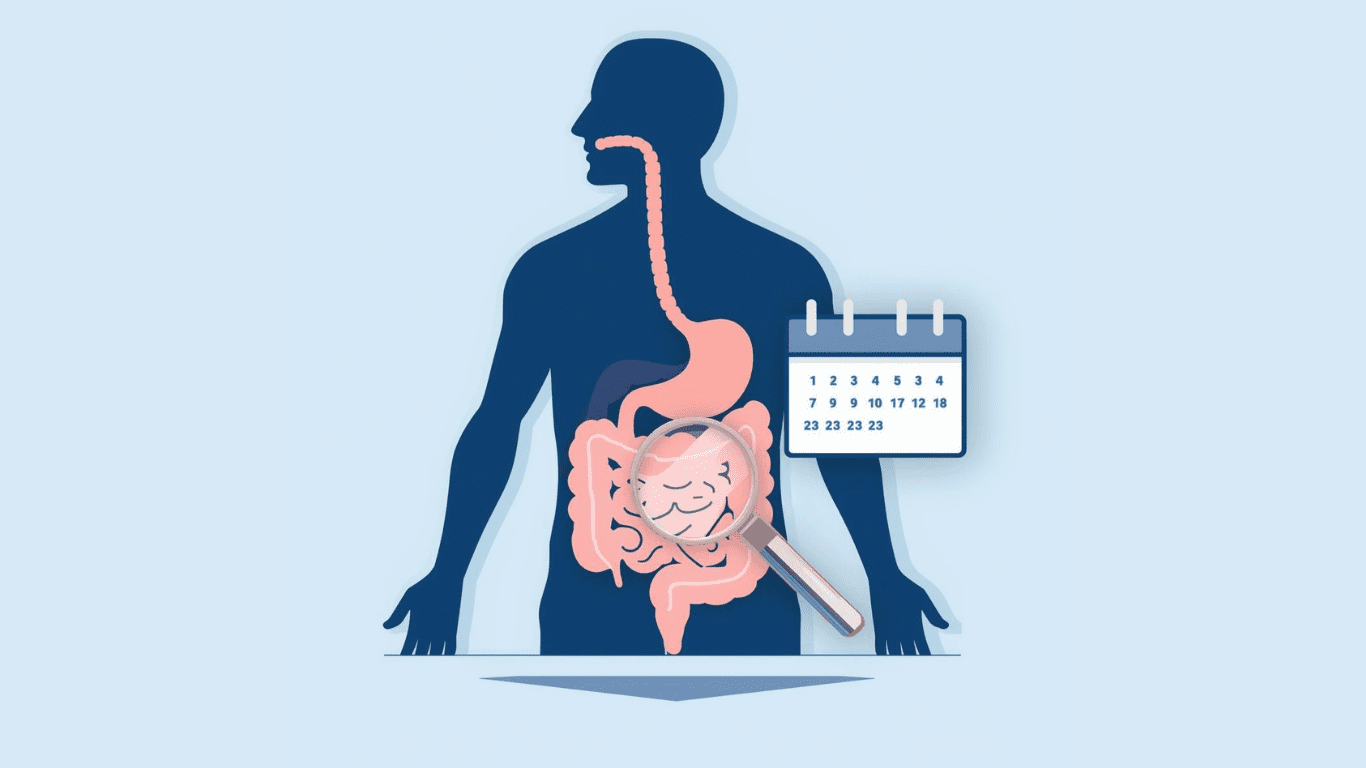
How Long Does it Take for the Gut to Heal? The Celiac Recovery Timeline
You’ve stopped the “pantry panic,” you’ve ditched the malt vinegar, and you’ve had your last “real” sandwich. Now, you’re waiting for the magic to happen. You want to know: When will the brain fog lift? When will the bloating stop? When will I feel like “me” again?
The short answer is: It’s a marathon, not a sprint.
While some people feel a difference in days, true intestinal healing—the kind your doctor looks for on a follow-up biopsy—takes significantly longer. Here is the realistic timeline for what happens after you go 100% gluten-free.
The First 48 Hours: The Inflammation Peak
In the first two days, your body enters “clean-up mode.” If a doctor recently diagnosed you or you suffered a “glutening,” your immune system remains on high alert.
- What you’ll feel: You might still feel sluggish or bloated.
- What’s happening: The immune attack on your small intestine has stopped, but inflammation persists. During this window, stick to “Nature’s Grocery List” (plain proteins and produce) to give your system a break.
Weeks 2 to 4: The Initial “Lift”
Most people notice a significant shift during the first month. As the constant inflammation begins to subside, your body absorbs nutrients more effectively.
- What you’ll feel: You gain energy, notice more regular bathroom habits, and see a decrease in that “pregnant” belly bloat.
- The Trap: Many people get overconfident here. They eat at a risky restaurant, leading to an accidental “exposure” that resets their recovery clock.
Long-Term Repair: From Months to Years
Months 3 to 6: The Repair Phase
This is where the heavy lifting happens. Your villi—the tiny, finger-like projections in your small intestine that absorb nutrients—begin to grow back.
- The Variable: Healing speed depends heavily on your age and how much damage was present at diagnosis. Children often heal in 3 to 6 months, while adults usually take longer.
- Why you might stall: If you haven’t performed a Total Kitchen Reset, “micro-dosing” gluten from a scratched pan or shared toaster can keep your villi flattened, even if you “feel” okay.
6 Months to 2 Years: Total Restoration
For the majority of adults, complete clinical healing (where the biopsy shows no damage) takes between 6 months and 2 years.
- The “Silent” Symptoms: Even after your stomach stops hurting, things like bone density, iron levels, and vitamin D absorption take time to stabilize.
- The Goal: This is the phase of Total Freedom. Once your gut is healed and your antibody levels are low, you have the resilience to navigate the world with confidence.
3 Reasons Your Healing Might Be Stalled
If you’ve been gluten-free for months and still feel like a “Celiac zombie,” one of these three things is likely the culprit:
- Hidden Ingredients: Are you still being tripped up by Malt or Brewer’s Yeast?
- Cross-Contamination: Are you using a shared air fryer or wooden spoons? (See our Crumb Trap Guide).
- Secondary Intolerances: When your gut is damaged, it often struggles to digest lactose or oats. You may need to temporarily pull these back while you heal.
Stop Guessing and Start Healing
Waiting to “feel better” shouldn’t be a guessing game. The faster you remove the hidden triggers in your home, the faster your body can move from inflammation to repair.
If you’re tired of waiting for the brain fog to lift and want to ensure your environment is 100% safe, you need a system that covers the “blind spots” most Celiacs miss.
My Tier 1: 30-Day Safety System is the ultimate roadmap for this exact phase—taking you from your first 24 hours to a place of total confidence and gut restoration.






Leave a Reply